
The Grassroots Boom: Girls Flocking to Football
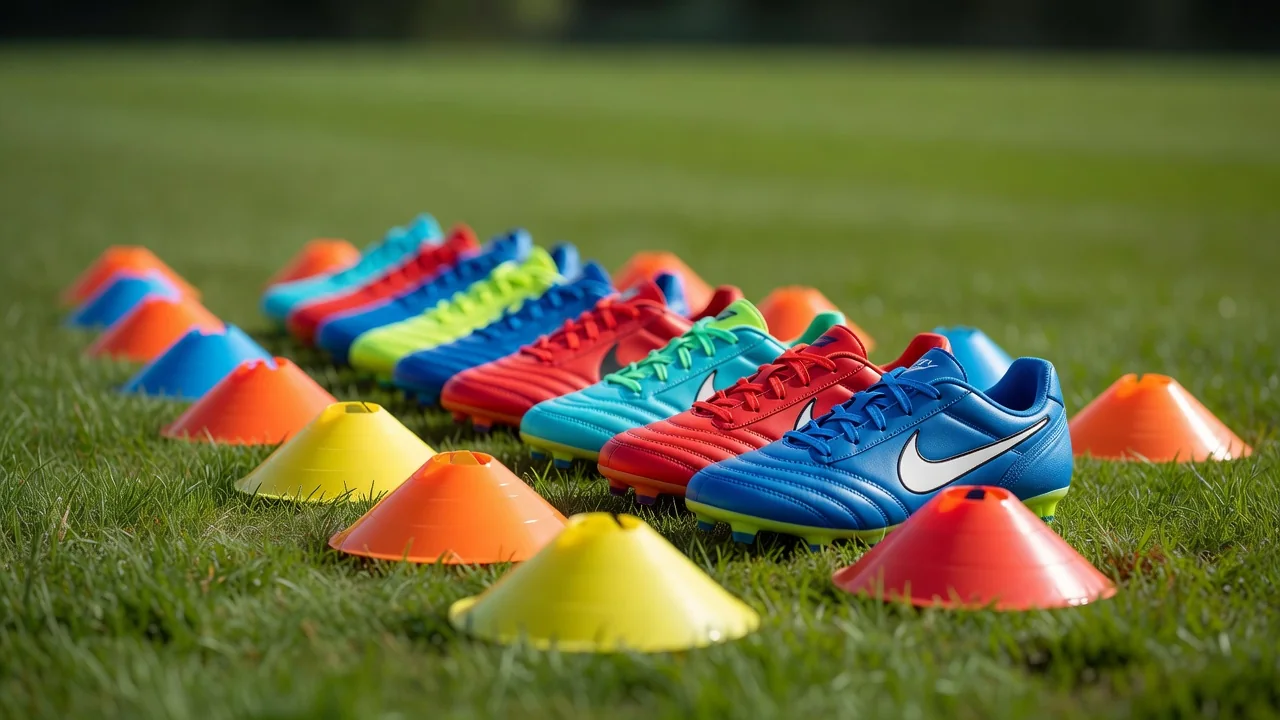
Every few years, the women's game produces a moment so big it changes what girls believe is possible. Then the registrations follow. After Euro 2022, after the 2023 World Cup, clubs and federations across the world reported the same phenomenon: waiting lists for girls' teams, oversubscribed academies and grassroots programmes scrambling for pitches and coaches.
Participation is the least glamorous metric in football and the most important one. Everything else in the sport, crowds, transfers, broadcast deals, ultimately rests on how many girls play. On that front, the data and the anecdotal evidence point the same way: the pipeline has never been fuller.
The post-2022 surge in England
The Lionesses' Euro 2022 triumph delivered the clearest natural experiment in the sport's history. In the months after the final, the Football Association reported surging interest in its grassroots programmes, and by 2024 the number of women and girls playing affiliated football in England had climbed past three million, a figure unthinkable a decade earlier.
The pattern repeated at club level. Community teams added age groups, girls' sections at boys' clubs became standard rather than exceptional, and demand for the FA's Wildcats programme for 5-to-11-year-olds outstripped the number of sessions available in many regions.
A global pattern, not an English one
| Region | Driver | Observed effect |
|---|---|---|
| England | Euro 2022 title at home | Record affiliated participation by 2024 |
| Australia | 2023 World Cup semi-final run | Registration surges, pitch shortages |
| Spain | 2023 World Cup win | Record licensed female players |
| United States | Long-established base, NWSL boom | Millions of youth players, new club investment |
| Africa | Zambia, Nigeria, South Africa at 2023 World Cup | Fastest percentage growth in registrations |
Australia's experience during the 2023 World Cup mirrored England's a year earlier. The Matildas' run to the semi-finals filled stadiums and television schedules, and community clubs reported registration spikes so sharp that pitch access, not interest, became the binding constraint. Spain, world champions that same summer, reached record numbers of licensed female players in the seasons that followed.
What the surge actually needs
- Pitches: demand has outrun facility supply in most growth markets.
- Coaches: girls' teams need trained, vetted coaches, and recruitment lags demand.
- Pathways: clear routes from community football to academies keep late starters in the game.
- Retention: keeping girls playing through the teenage years is the sport's oldest leak.
The retention problem deserves special attention. Participation among young girls has boomed, but dropout rates in the early teens remain stubbornly higher than among boys. Clubs that solve it, through girls-only environments, female role models on the coaching staff and sensible scheduling, hold the sport's next generation in their hands.

Finding a team: the practical route
For parents navigating the boom, the entry points are better signposted than ever. In England, the FA's Wildcats programme offers introductory sessions for girls aged 5 to 11, with a club finder on the federation's website. In the United States, US Youth Soccer and local recreational leagues remain the front door, with NWSL club academies increasingly running community programmes.
The questions worth asking a club are simple: qualified coaches, girls-only training groups, and a clear pathway as players grow. Good programmes answer all three quickly. The waiting lists that frustrate families today are, in the long view, the best problem the sport has ever had.
Why this metric beats all others
Record crowds and million-dollar transfers are outcomes. Participation is the cause. Every girl who plays becomes a fan with a deeper connection to the game, and a small percentage become the players the professional leagues will fight over in the 2030s. Federations understand this now, which is why legacy funding followed Euro 2022 and the 2023 World Cup.
The boom is real, but it is not self-sustaining. Pitches, coaches and pathways require sustained investment long after the parade footage fades. The encouraging difference this time is that the professional end of the sport, richer than ever, finally has both the motive and the money to keep the pipeline flowing. The girls arriving at training this autumn are the evidence that it is working.
The true test comes in five years, when this surge of young players hits the teenage retention cliff. Solve that, and the boom becomes a permanent elevation of the sport’s base. Fail, and it becomes another spike in the graph. The work starts at your local pitch.
Keep reading

The 10 Biggest Crowds in Women's Football History
Camp Nou, Wembley, the Rose Bowl and a 1971 World Cup final in Mexico City that official history forgot. The ten biggest gates ever recorded.
2026-08-23
Equal Pay in Football: The Fight So Far
From the USWNT's lawsuit to Norway's landmark deal and FIFA's rising prize money. A timeline of the battles that changed what players earn.
2026-08-15
NWSL's Expansion Boom: New Clubs, New Money
Bay FC, Boston, Denver and a valuation jump from millions to hundreds of millions. How the NWSL became one of sport's hottest growth stories.
2026-08-08