
Emma Hayes and the USWNT Rebuild, Explained
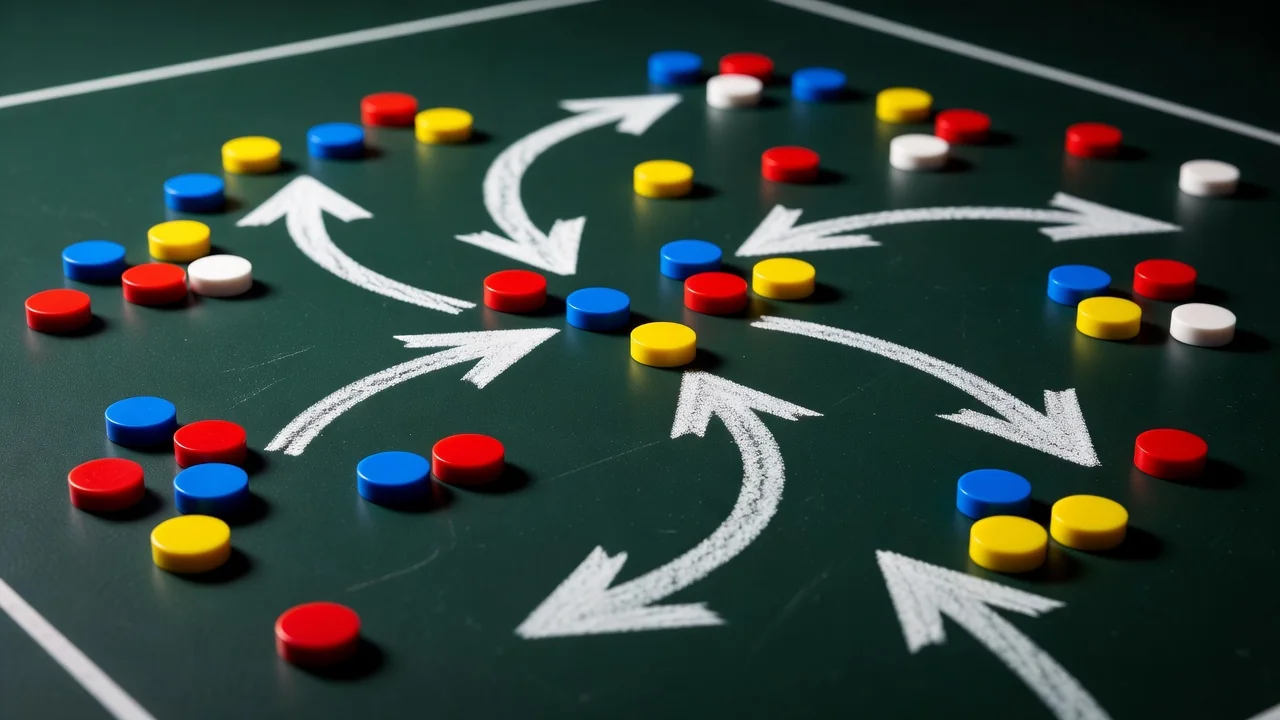
When Emma Hayes was appointed head coach of the US women's national team in late 2023, she inherited a programme in crisis. The 2023 World Cup had ended in the round of 16, the earliest exit in team history. Within ten months she was standing on a podium in Paris with an Olympic gold medal around her neck. The rebuild, it turns out, began at sprint speed.
Hayes arrived with a CV few coaches in the women's game could match: seven WSL titles across 12 years at Chelsea, a Champions League final, and a reputation for building squads that improved players. The question was never whether she could coach. It was whether club-level methods could transfer to the strange rhythms of the international game.
The inheritance: a team between generations
The 2023 failure had exposed a squad stuck between eras. The 2019 champions were ageing or retired, and the next wave had talent without cohesion. Hayes took the job formally in May 2024, giving herself roughly two months with the players before the Paris Olympics.
She used them ruthlessly, narrowing the group to a core she trusted.
Her selection choices made the philosophy plain. Established names were left at home, and the front three of Trinity Rodman, Sophia Smith and Mallory Swanson, quickly christened the "triple espresso" by fans, became the attacking axis. The average age of the starting side dropped noticeably from the World Cup squad.
Paris 2024: gold at the first attempt
The Olympic run was not fluent, and that was the point. The US ground out results, beat Germany in a tense semi-final, and took the final against Brazil 1-0 through Swanson's goal. It was the programme's fifth Olympic title and its first since 2012, achieved with a squad still learning its coach's language.
| Phase | Result | What it showed |
|---|---|---|
| Group stage | Three wins from three | The new front three clicked immediately |
| Quarter-final | 1-0 vs Japan | Patience against a low block |
| Semi-final | 1-0 vs Germany | Tournament management under pressure |
| Final | 1-0 vs Brazil | Defensive control and one clinical moment |
The Hayes method, translated to international football
- Clarity over complexity: simple, repeatable roles for a team with little camp time.
- Youth trusted early: teenagers and early-20s players given real responsibility.
- Sports science first: load management built around a congested club calendar.
- Culture reset: direct standards, publicly protected players, no nostalgia selections.
The harder work came after Paris. Olympic gold bought credibility, but Hayes framed it herself as a beginning, not a verdict. The long-term project targets the 2027 World Cup in Brazil and the 2028 Los Angeles Olympics, and it runs through expanding the player pool, modernising the pathway from youth teams and integrating dual-national talents before other federations claim them.
The pool she is building
Between tournaments, Hayes has treated every friendly as an audition. Teenagers like Lily Yohannes, who chose the United States over the Netherlands, have been thrown straight into meaningful minutes. Dual-national recruitment, once a weakness, is now a priority with dedicated staff.
The SheBelieves Cup and invitational tournaments serve as laboratories rather than trophies. Results have been deliberately uneven as combinations are tested, a trade Hayes accepted publicly. The depth chart heading toward Brazil 2027 will bear little resemblance to the Paris squad, and that is the design.
What to watch between now and Brazil 2027
The honest challenge is depth. The starting eleven in Paris was excellent; the layers beneath it remain thinner than at the programme's peak, especially in defence and central midfield. Hayes has used friendlies and tournaments like the SheBelieves Cup to audition dozens of players, deliberately accepting uneven results in exchange for information.
There is also the club-country tension every elite national coach now faces. The NWSL season runs through the heart of the year, and FIFA windows are short. Nobody in the women's game manages that puzzle better than a coach who spent a decade on the club side of it. The gold medal was the proof of concept.
Brazil 2027 is the real examination.
The staff around her matters too. Hayes brought trusted assistants from her club years and added specialists in set plays and performance analysis, areas where international teams traditionally lag. The marginal gains philosophy she built her club career on is now installed in a national programme. Opponents have noticed, and several federations are copying the structure.
The verdict so far is simple: the rebuild is ahead of schedule, and the coach insists the schedule was never the point.
Keep reading
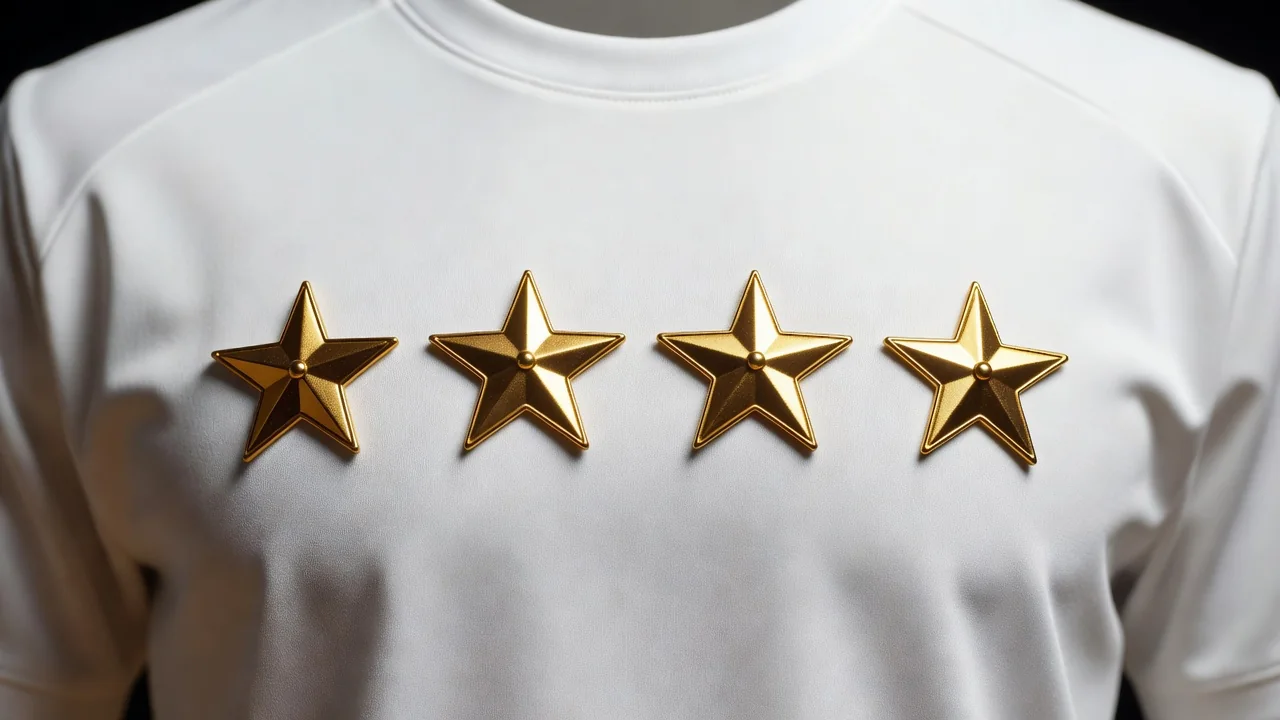
Four Stars: How the USWNT Won Four World Cups
1991, 1999, 2015, 2019: four World Cups across three decades, from the first pioneers to the 2019 machine. The through-line of a dynasty.
2026-08-26
World Cup 2027 in Brazil: Everything We Know
The first Women's World Cup in South America: dates, host cities, the expanded 32-team field and why Brazil 2027 matters beyond the football.
2026-08-12
Spain 2023: How a First World Cup Was Won
Olga Carmona's goal beat England in Sydney and made Spain world champions at the first attempt. The run, the style and the aftermath.
2026-08-05